Skip to content
SeedAudio

MEET SEEDAUDIO

SeedAudio

Hear the possibilities.
Then shape your own scene.

Bring dialogue, ambience, music and sound effects into one creative brief. Listen to our original examples, learn how to prepare prompts and references, then open the generator with a clear sound in mind.

From a scene idea to a sound you can hear

Text + references

Set the direction, then add optional media

Up to 3 audio references

Or one image; the two cannot be combined

Up to 2 minutes per output

Model limit; review the actual result

START BY LISTENING

Hear what a clear brief can create.

Explore foley, music, multilingual dialogue, voices and product ads. Understand the input, listen for the important details, then open the full prompt to see how the scene was described.

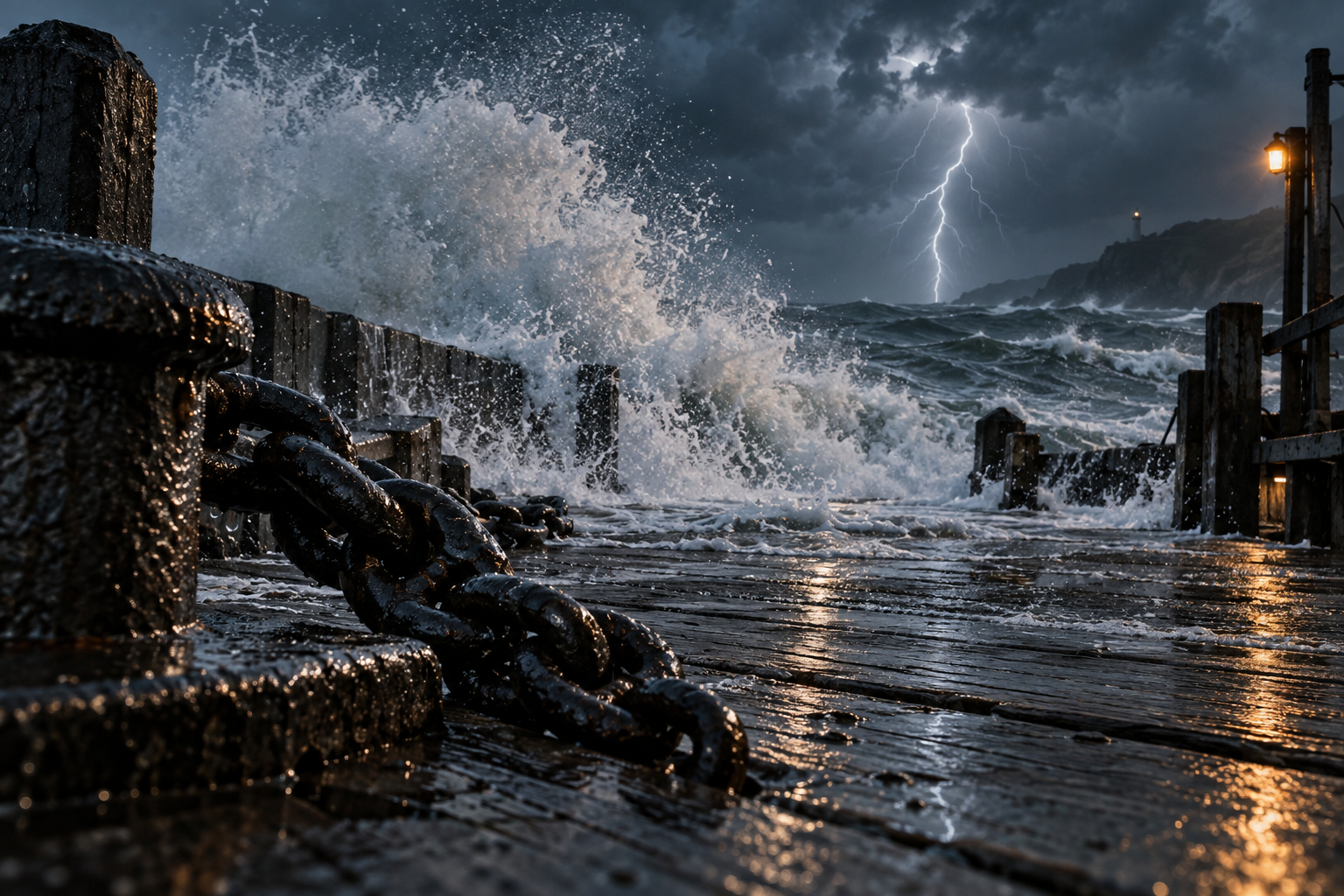
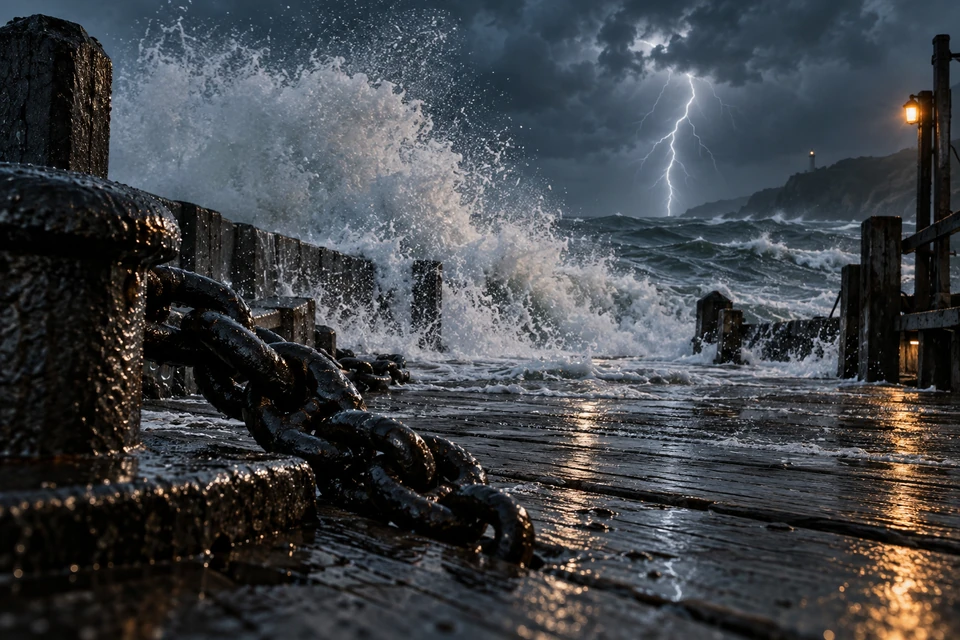
Mooring chain, breaking surf and lightning at a stormy wooden pier
01WeatherOceanCinematic effects

Scene Sound & Foley

INPUT
Text prompt · no reference media
LISTEN FOR
The depth and impact of the surf, rolling thunder and natural ending.

PRODUCTION BRIEF

Create a 12-second storm: huge breaking surf, powerful water spray, and rolling thunder. No dialogue or music.

GENERATED AUDIO

Storm at the Breakwater
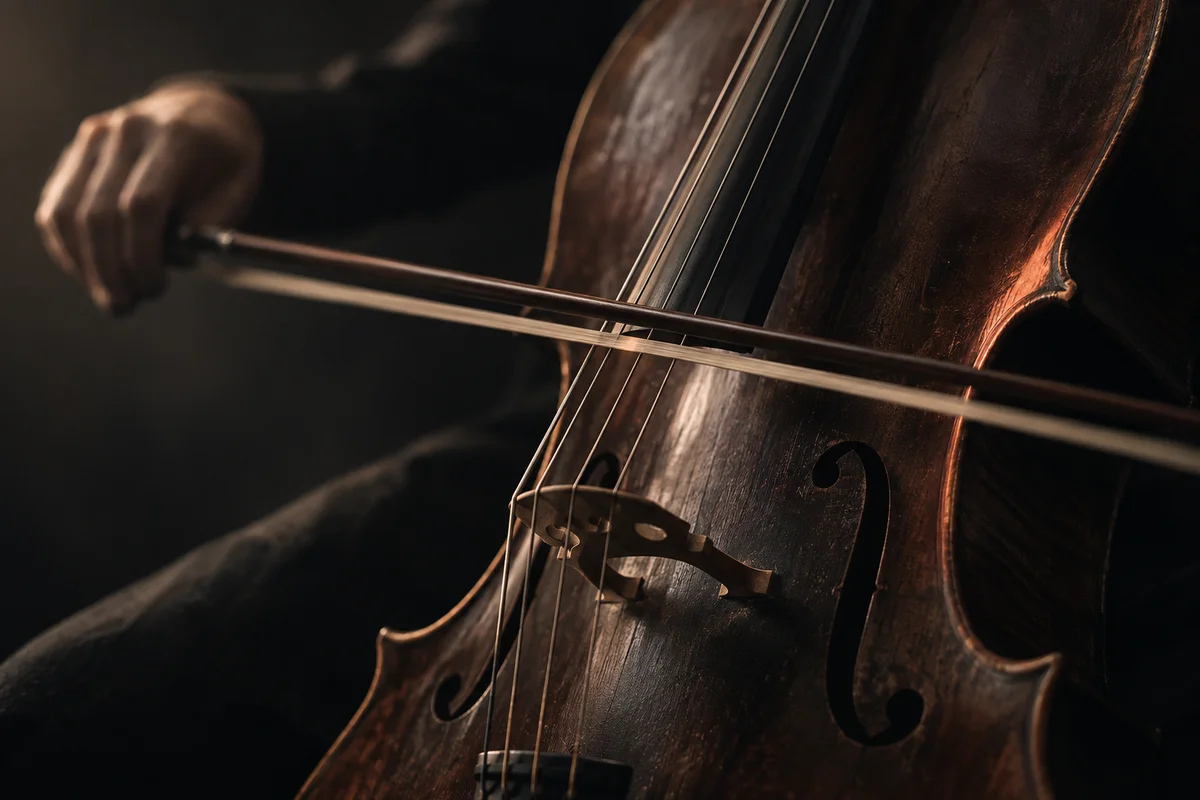
Cello and bow in a warmly lit recording studio
02CelloSustained stringsInstrumental

AI Music

INPUT
Text prompt · instruments, mood and structure
LISTEN FOR
The cello against the string bed, the developing phrase and its decay.

PRODUCTION BRIEF

Compose a 20-second original cello cue over soft sustained strings. Use a warm, reflective mood, build at eight seconds, and resolve with a natural decay. Instrumental only.

GENERATED AUDIO

A Line of Light
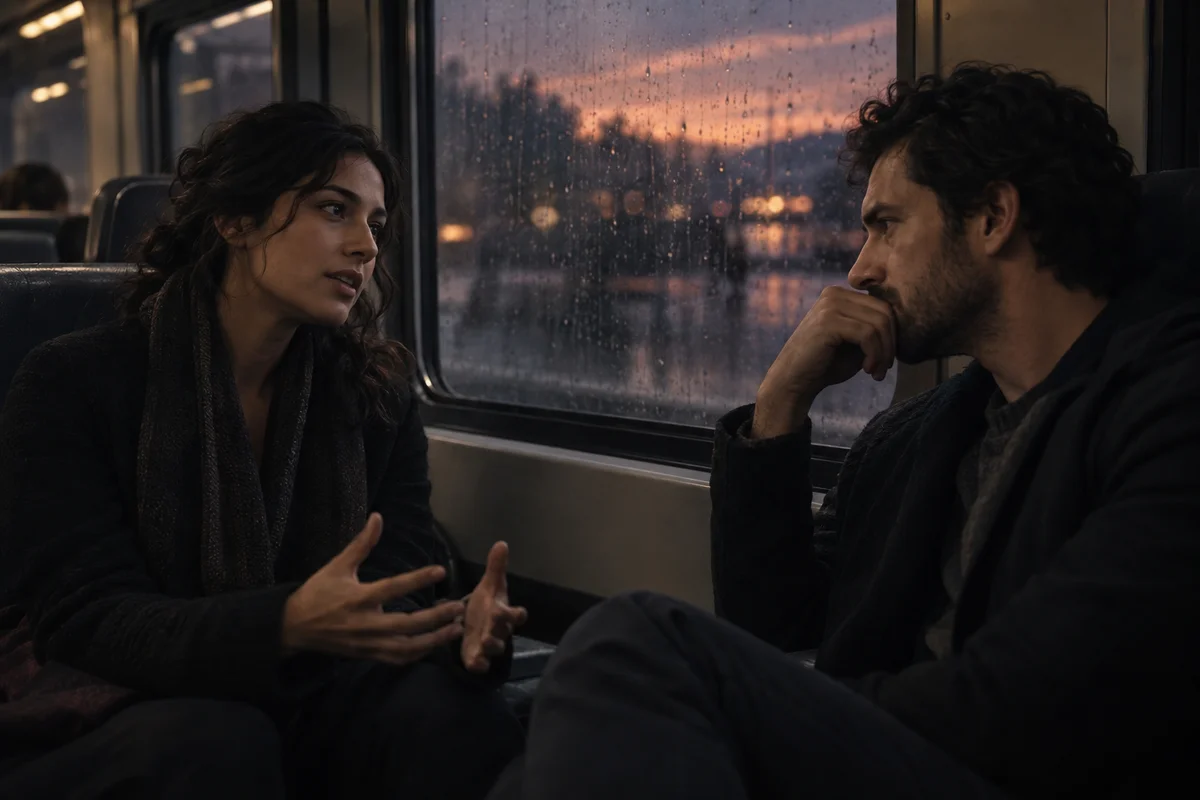
Two travelers talking on a train beside a rain-streaked window
03ItalianChineseTwo speakers

TTS & Multilingual Dialogue

INPUT
Written dialogue · Italian / Chinese
LISTEN FOR
Natural turn-taking, clear voices and the same scene in two languages.

PRODUCTION BRIEF

On a rainy night train, create a 10-second two-character exchange in Italian and Chinese. Keep quick natural responses, clear pronunciation, soft carriage ambience, and no music.

LANGUAGE VERSIONS

The Last Train · Italian
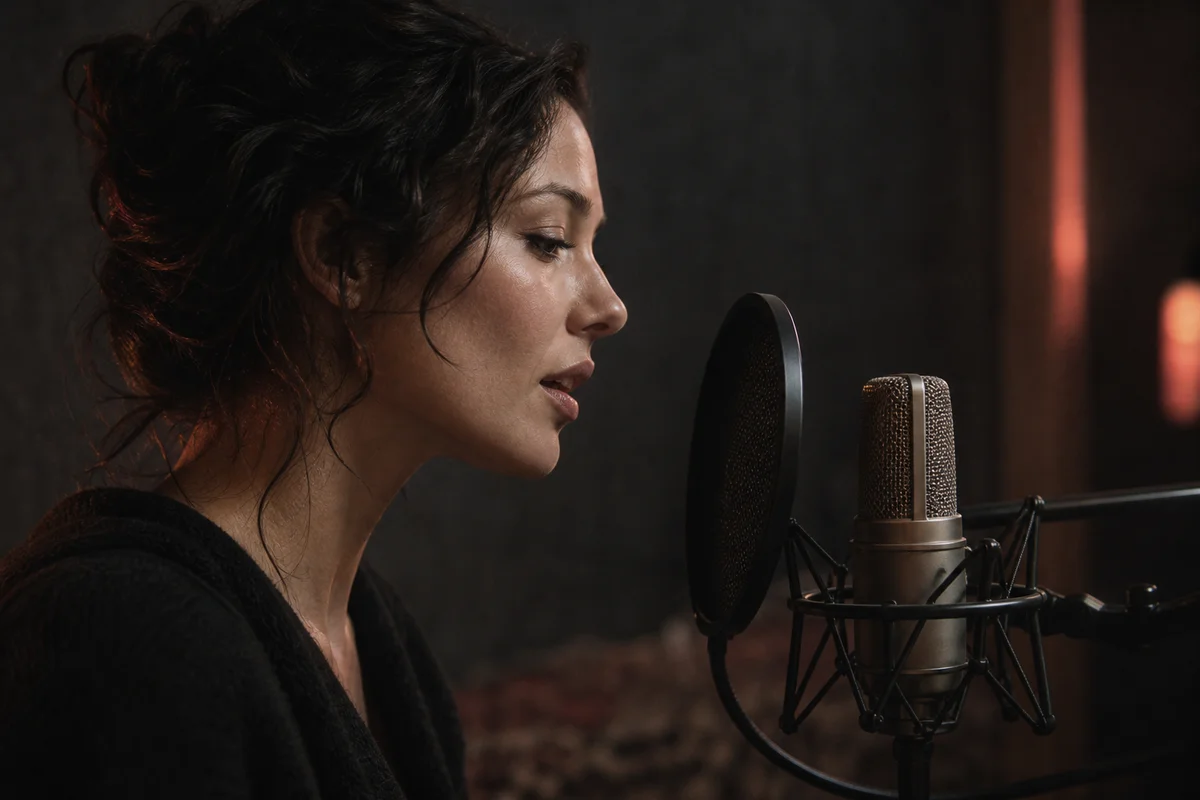
A fictional adult voice performer at a studio microphone
04Voice referenceNew scriptSide-by-side listening

Voice Cloning

INPUT
New script + one voice reference
LISTEN FOR
Compare the input and new script for voice traits and changes in delivery.

VOICE COMPARISON

Input reference

Sophie · Reference

NEW SCRIPT

Use @Audio1 as the authorized voice reference. Read: “Every new chapter begins with one clear breath. Take your time. Your story is ready to be heard.”

New speech

One Clear Breath · Generated

Only clone voices you own or have explicit permission to use.

An unbranded chilled citrus drink can beside ice, sparkling water and a splash in a dark studio
05Product audioEnglish voiceoverMusic and effects

E-commerce Product Ads

INPUT
Text prompt · product sounds and voiceover
LISTEN FOR
The opening can snap, clear product voiceover and supporting music and fizz.

PRODUCTION BRIEF

A 12-second sparkling-drink ad: a crisp can opening, ice and fizz, bright English voiceover, and an upbeat musical finish.

GENERATED AD

The First Sip
An emergency release lever inside a space capsule facing sunrise over Earth

A CLOSER LOOK AT REFERENCES

Two voice references. One shared scene.

Take a closer look at Sixteen Seconds to Escape. Nora uses @Audio1 and Ethan uses @Audio2. Hear the references first, then follow their exchange inside the space capsule.

@Audio1 · INPUT

Nora · Reference

@Audio2 · INPUT

Ethan · Reference

GENERATED AUDIO

Sixteen Seconds to Escape

Compare the two characters, their urgent reactions, and how the hatch and engine sounds support the dialogue. References guide the result; review each performance.

UNDERSTAND THE SCENE

Plan the voices and the world around them.

Basic text-to-speech focuses on reading a script. Scene-level audio also considers who is speaking, where the action takes place and when each sound happens. Describe those relationships in one prompt, then review the mixed result.

The output is a mixed track. This is a planning diagram, not separately exportable stems.

VOICEWho speaks, what they say and how
AMBIENCEPlace, space and continuous background
MUSICMood, instruments and development
EFFECTSKey actions and audible events

CAPABILITY MAP

Give every sound a clear direction.

Text, images or audio references

Explain the task in text. Add one image or up to three audio clips when useful; choose one reference type.

Check input limits

Dialogue and delivery

Name the characters, language, emotion and conversational pace. Compare the train scene in two languages.

Hear the train dialogue

Ambience, music and effects

Describe foreground and background layers, then place the important sound events in order.

Hear the product ad

Reference-guided voices

Use a voice reference to guide recurring character traits. Compare the voice and delivery after changing the script.

Compare input and output

BEFORE YOU CREATE

Better inputs start with clear boundaries.

Text promptRequired

Optional reference

1 imageORUp to 3 audio clips
One mixed sound track
Prompt
Stay within the editor’s 2,048-character limit.
Reference combination
One image OR up to three audio clips. Do not combine both types.
Audio reference
Up to 30 seconds and 10 MB per clip. Use material you own or have permission to use.
Output duration
The model describes outputs up to roughly 2 minutes. Prompted timing is not an exact guarantee.
Language
Name your target language and review pronunciation. This page includes Chinese and Italian examples.
Output formats
The model API lists MP3, WAV, PCM and OGG Opus. Choose for your delivery needs.
Voice controls
Speed, volume and pitch are generation settings. Describe emotion and event order in the prompt.
API access
Capabilities depend on the access channel. Check provider documentation before integrating.

WHERE IT FITS

Start with the work you want to make.

Mooring chain, breaking surf and lightning at a stormy wooden pier

Ambience & foley

Build the depth of a storm with surf, rolling thunder and a natural fade. Hear the breakwater scene.

Listen to this example
Two travelers talking on a train beside a rain-streaked window

Stories & dialogue

Write a clear exchange between characters. Hear the same night-train scene in Italian and Chinese.

Listen to this example
An emergency release lever inside a space capsule facing sunrise over Earth

Sci-fi & multiple characters

Guide two voices through an urgent space-capsule scene, with hatch and engine sounds supporting their exchange.

Listen to this example
A fictional adult voice performer at a studio microphone

Voiceover & delivery

Use a voice reference with a new script. Compare Sophie’s reference with the generated performance.

Listen to this example

WRITE YOUR FIRST PROMPT

Four steps to a clearer sound brief.

  1. Scene

    Name the format, place, action and mood.

  2. Voice

    Define speakers, language and delivery. Quote the spoken lines.

  3. Layers

    Add ambience, music and key effects. Set their priorities.

  4. Review

    Check speech, pauses and the busiest layer. Change one thing at a time.

Two travelers talking on a train beside a rain-streaked window

Read the train example as a brief

This is a writing summary. Use “Full prompt” on the example to read the actual generation instructions.

Hear the train dialogue

Scene: a short exchange on a rainy night train. Voice: two adults responding naturally in Chinese. Layers: soft wheels and rain, with no music. Review: are the words clear and the responses natural?