Skip to content
SeedAudio

SEED AUDIO 1.0 · PRACTICAL TUTORIALS

Make the audio your project needs

Start with a task, listen to the result, then adapt the prompt to your project.

Product voiceover · 01 / 04

What do you need to make?

The player shows the sample's actual length. Timing in a prompt is a target.

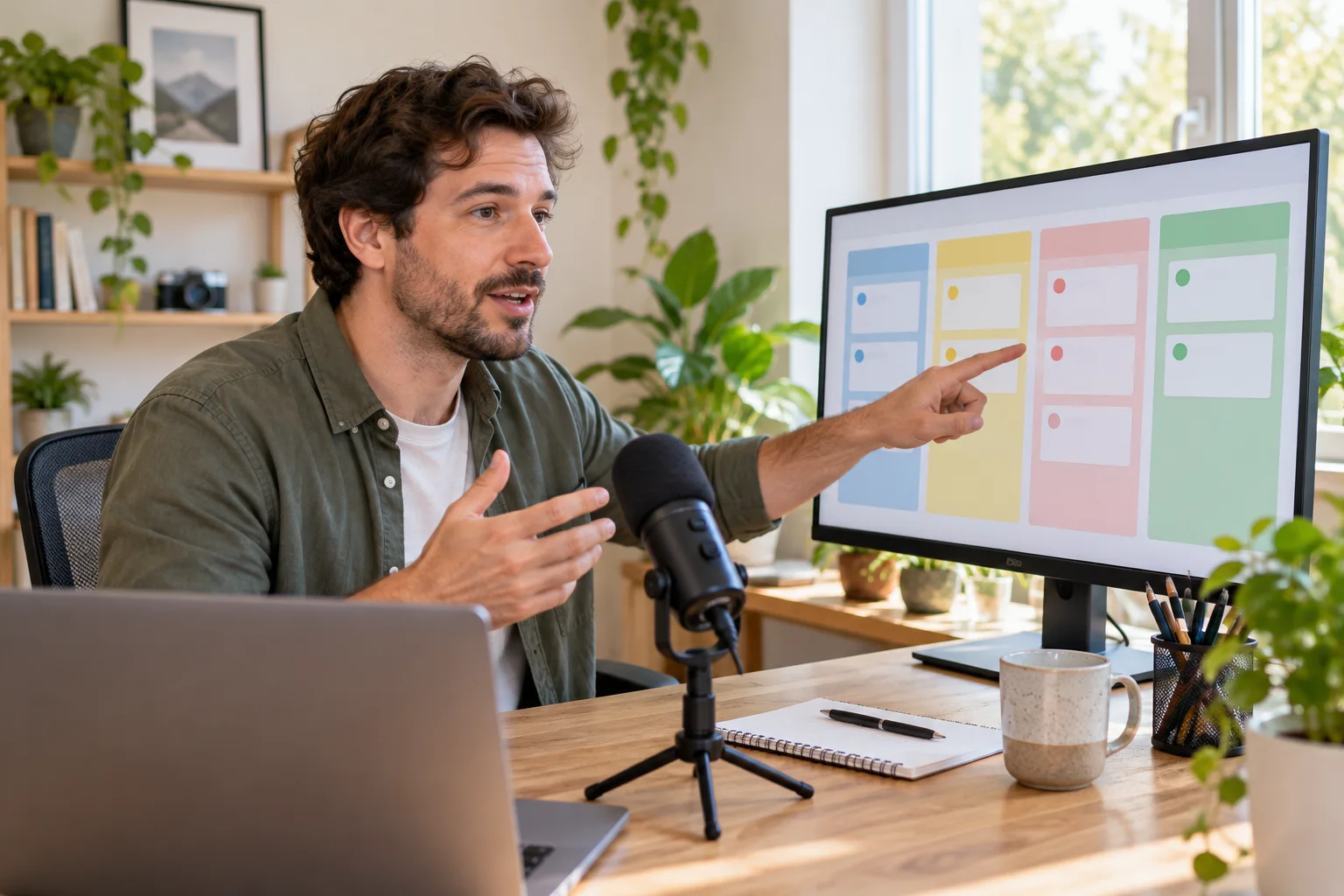
A presenter explaining a task board on a monitor in a home office
Scene illustration · not an audio-generation input
01

Product teams and tutorial creators

Add a voiceover to your product demo

Turn a short walkthrough script into a clear narration you can add to a screen recording.

Example · volume and clip boundaries adjusted · English voice

Add a voiceover to your product demo
Download
What you need
A short script and the screen recording you want to explain. Use the script as the audio input; keep the video in your editor.

How to make it

  1. Write one complete operation. This example creates a project, adds a task, sets a due date and teammate, then opens the board.
  2. Replace the quoted words in the prompt. Describe one narrator and a natural pace; use a clean voice without music for a clear walkthrough.
  3. Generate and check every word. Download the narration, then place it beside the matching actions in your video editor.

Check the result

  • The whole instruction is spoken, including the final word.
  • Each spoken action matches what the viewer sees.
  • The first word is easy to catch and the ending has room to finish.

Make it yours

Change the quoted script and narrator description. If the video is shorter than the narration, shorten the script or adjust the edit before increasing the speaking speed.

Actual generation promptSample settings: MP3 · 24 kHz · speed 1× · volume 1×

Add a voiceover to your product demo

A friendly adult male American narrator gives a concise product walkthrough, about ten seconds. Speak the following as one fluent paragraph at a normal conversational pace, with just a short natural sentence break: "Create a project, add your first task, then choose a due date and a teammate. Open the board to track your progress." Clean, close voice only; no music or sound effects.
↑ All tutorials
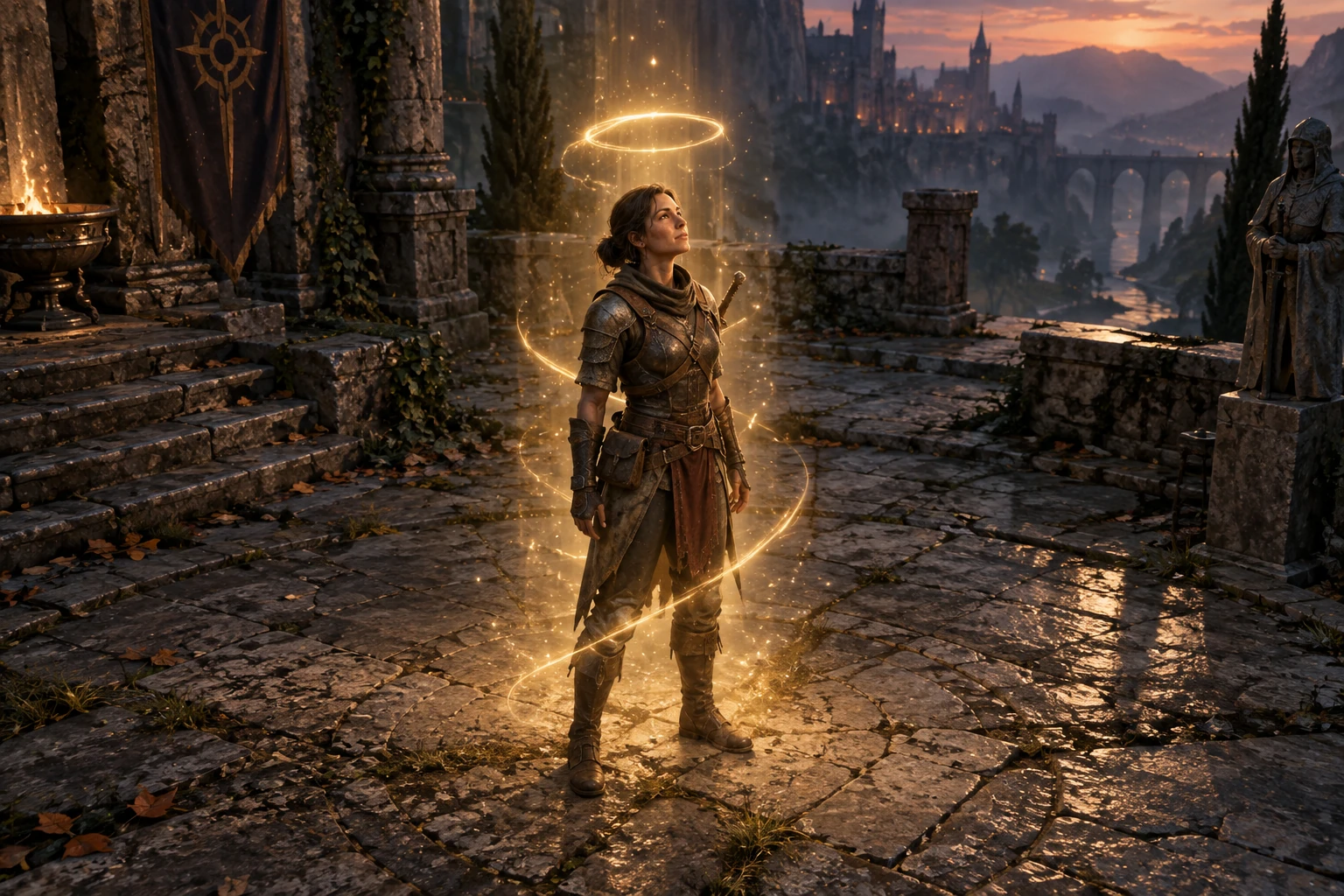
An original fantasy adventurer surrounded by a gentle rising gold level-up effect
Scene illustration · not an audio-generation input
02

Game developers and video creators

Give a character level-up a clear sound

Create a short, distinct sound for the moment a character gains a level.

Generated example · Sound effect

Give a character level-up a clear sound
Download
What you need
One event to signal, your game's mood and a rough length. This example is a single fantasy level-up notification.

How to make it

  1. Describe the event before the sound: a character has gained a level. Keep it to one notification.
  2. Describe its shape: a soft start, one rising gesture, a clear point of completion and a short tail. Leave out voices, music and ambience.
  3. Generate the sound, then test it at the level-up trigger in your game or edit. Set its playback volume against the rest of the scene.

Check the result

  • It reads as completion, rather than an attack or a warning.
  • The start is comfortable and the effect does not hide dialogue.
  • The tail fits the animation and ends cleanly.

Make it yours

Keep the event and sound shape clear, then change the tone for your game. If the start feels too heavy, describe a softer onset before adding more layers.

Actual generation promptSample settings: MP3 · 24 kHz · speed 1× · volume 1×

Give a character level-up a clear sound

An original three-second character level-up notification for a fantasy game. A brief, soft airy onset flows directly into one quick upward shimmer, reaches a clear triumphant peak, then settles into a short smooth reverberant tail. The onset and rise form one continuous gesture, conveying power gained and completion. Let the resonance fade naturally to silence within three seconds. Only this single sound effect, with a gentle rounded onset and balanced midrange. No low-frequency impact, rumble, percussion, repeating melody, voices or background ambience.

↑ All tutorials
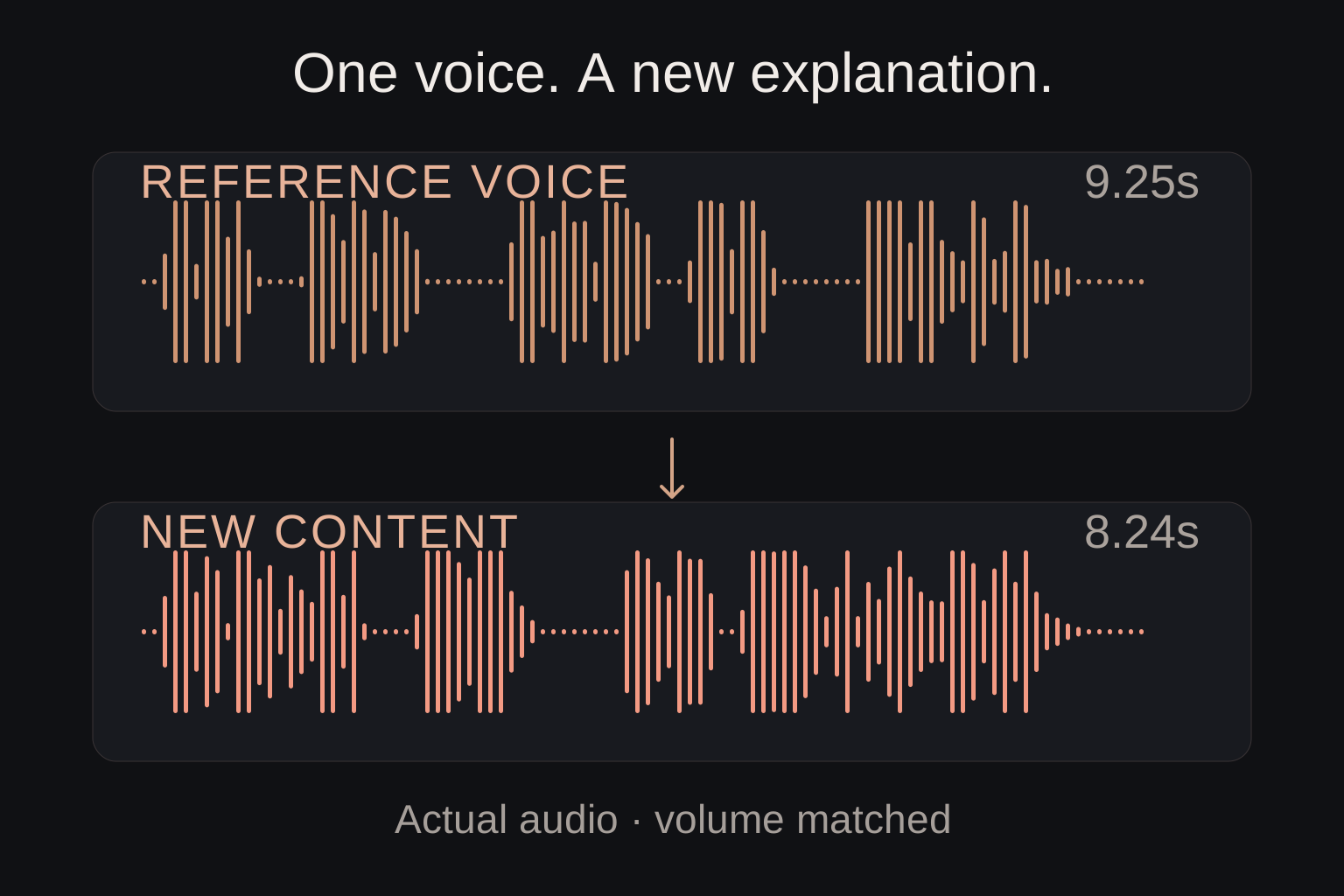
Two waveforms from the actual examples, showing an earlier voice reference and a newly spoken passage
Waveforms from these examples
03

Creators updating tutorials or product videos

Use a reference voice for new content

Add a new feature explanation using an earlier narration as a voice reference.

Reference voice · volume matched for comparison

Reference voice · volume matched for comparison

New content · volume and clip boundaries adjusted · English voice

Use a reference voice for new content
Download
Original reference used for this sample

Copying the prompt does not attach a reference. Download this original clip and add it as the first audio input, corresponding to @Audio1. The comparison above uses a louder, trimmed version of this recording.

Original reference used for this sample
Download
What you need
A clear recording you may use and the new words. This example uses the product walkthrough above as its reference.

How to make it

  1. Add the reference clip as the first audio input. Use a single, clear speaker; the first clip is named @Audio1 in the prompt.
  2. Keep the @Audio1 marker and replace only the quoted passage with the update you want spoken. Ask for the new passage only.
  3. Generate the new clip. Compare it with the reference at similar volume, then place the clips next to each other in your editor.

Check the result

  • Only the new passage is spoken.
  • Voice, delivery and recording character fit beside the earlier clip.
  • The volume and boundary do not jump at the join.

Make it yours

Choose a clean reference before adding more voice descriptions. This creates a new clip; it does not replace one word while preserving every other part of the original recording.

Actual generation promptSample settings: MP3 · 24 kHz · speed 1× · volume 1×

Copying the prompt does not attach a reference. Download this original clip and add it as the first audio input, corresponding to @Audio1. The comparison above uses a louder, trimmed version of this recording.

Use a reference voice for new content

The product tutorial continues with a new feature, voiced by @Audio1. Keep the same speaker and recording sound. Deliver this new passage as one fluent paragraph at a normal conversational pace, with a brief natural sentence break: "Save this project as a template, then give it a name. Next time, reuse it to get your tasks ready in seconds." Generate only the quoted new passage. Clean voice only, without music or sound effects.

↑ All tutorials
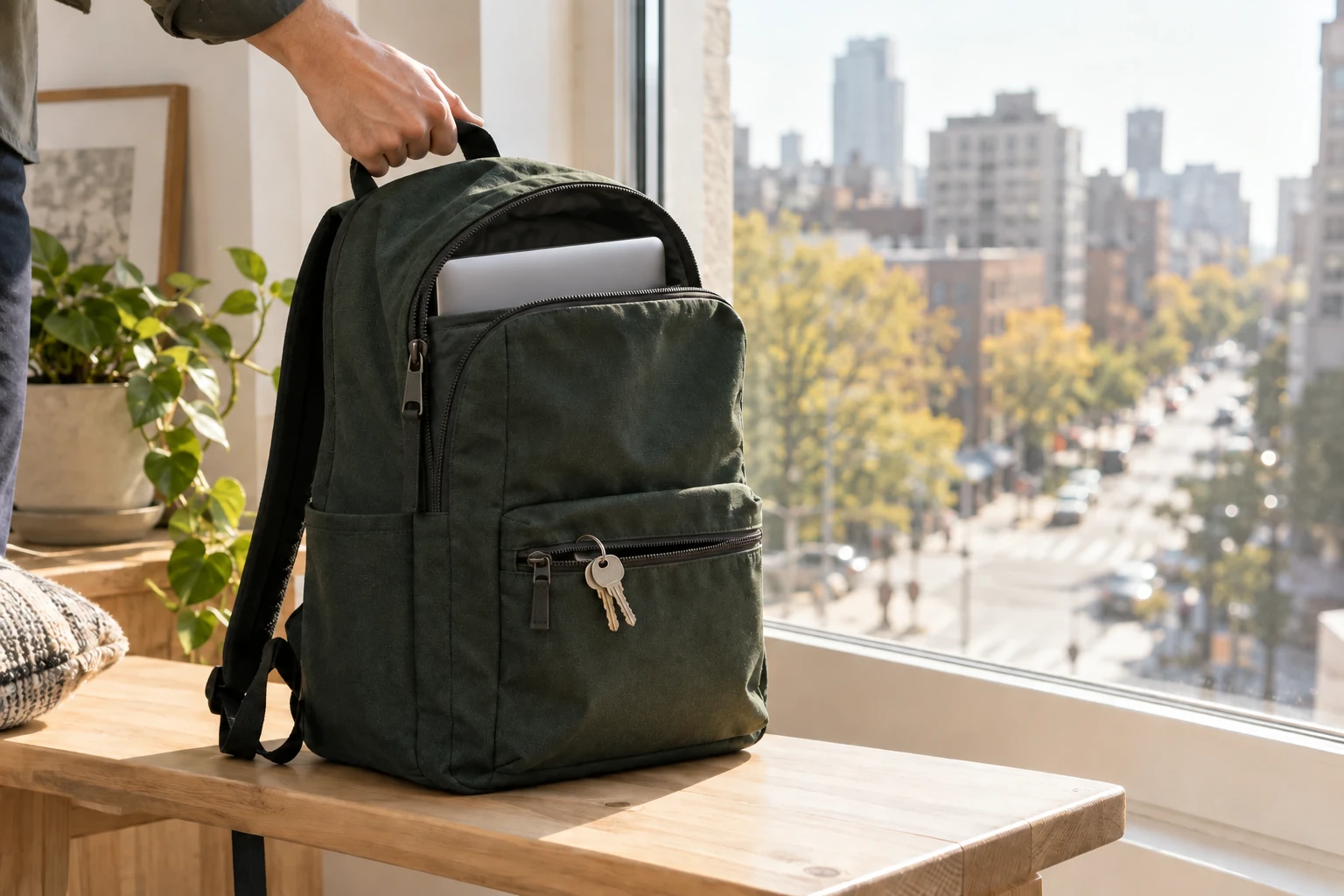
An olive commuter backpack with a visible laptop, reachable keys and a main zipper beside a city-facing window
Scene illustration · not an audio-generation input
04

Online sellers and ad creators

Make audio for a short product ad

Build a short product spot with a clear voiceover and a musical ending that has time to finish.

Generated example · English voice + music

Make audio for a short product ad
Download
What you need
Your product footage, truthful product details and a short script. This example advertises an imaginary everyday commuter backpack.

How to make it

  1. Match each line to a product shot. Here the sequence is reachable keys, a packed laptop and a closing zipper.
  2. Keep the script short. Ask for one voice above light music, and leave music-only time after the final line for a closing phrase and decay.
  3. Generate and check the voice against the music. Download the audio and align it with your product shots in a video editor.

Check the result

  • The spoken product details match the pictures.
  • The voice is clear over the music.
  • The music finishes its phrase instead of stopping in the middle of a beat.

Make it yours

Replace the product and words with details you can show. If the ending cuts off, shorten the spoken copy and ask for a complete musical ending with room after the voice.

Actual generation promptSample settings: MP3 · 24 kHz · speed 1× · volume 1×

Make audio for a short product ad

Create a finished 12-second English audio ad for an imaginary everyday backpack. A clean, close product sound stage. A short zipper pull opens the spot. A light, upbeat original electronic groove starts immediately and stays clearly audible beneath one warm female American voice. She speaks naturally and fluidly: "Keys within reach. Laptop packed. Zip up and make the day yours." Finish the voice within the first eight seconds. After the last word, leave the remaining music-only time for a short closing phrase, a resolved final chord, and its full natural decay to silence. The rhythmic groove finishes before the decay; do not cut the beat or the final note mid-phrase. Let the complete ending breathe. No additional speech or singing.

↑ All tutorials

FROM EXAMPLE TO YOUR PROJECT

Your workflow in SeedAudio

Choose a task, adapt the input, then check the result in your project.

  1. 01

    Define the deliverable

    Choose the audience, language, target length and where the audio will be used. Write the exact spoken words first.

  2. 02

    Prepare the input

    Copy a prompt into the creation area and replace the project details. For the reference-voice example, download and add the original reference as the first audio input. Check the output settings before generating.

  3. 03

    Listen against the brief

    Use the example's checklist. Check words, sound order, levels and the first and last second; then test in your video, game or app.

  4. 04

    Change one thing

    Keep a useful version. Revise the specific issue, compare again and finish precise timing and mixing in your editor.

Questions before your first project

Bring your own project brief

Choose the closest example, change its content and keep its quality checks beside you.